



Holly's Blog: Is 8 and a half elephants worth of carbon emissions good?
14 Jan, 2022
More red numbers on many investment apps this week - tech stocks are being pummelled and volatility continues. For those who like their news brief, I was asked on Twitter to say why many people’s portfolios are down – what’s going on? So here’s the short version.
“Inflation high. Interest rates likely to go up quicker/sooner than expected. Makes bonds look bit sexier. Tech stocks bashed. Companies which borrow today 4 future growth hurt. These guys were last year’s heroes. Unsexy stuff like banks & airlines doing better. People freaking out”.
Fund manager Stephen Yiu who runs the Blue Whale Growth Fund has dumped Amazon entirely, in part blaming inflation. He says that Amazon makes a profit of 40p for every £1 of revenue, compared to 70p for the rest of his holdings. This lower profit margin makes it more vulnerable to inflation and rising costs – at a time of growing competition. In marvellously dramatic language, sounding like something Jed Mercurio would have written in a police drama, he said “Amazon has violated our investment thesis.” Ooh, take that!
Is 8 and a half male elephants of carbon emissions good??
Despite the resurgence of unsexy stuff (called ‘value investing’ by the industry), the more appealing sustainable investments retain strong investor interest. According to Morningstar we invested a net £35 billion into sustainable funds last year. And the average return last year from a total pool of 196 sustainable funds available to UK retail investors was 13%. However, concern about ‘greenwashing’ is higher than ever.
We are working with a bunch of fund managers on how to tell a more helpful, credible story when it comes to sustainable investments. How do we tell if a collection of investments is responsible for huge carbon emissions – is our collection of investments belching out destruction or is it relatively green?
Fund managers will increasingly report carbon emissions, but when you look at a factsheet, you get data, not clarity. Here’s an example from one factsheet I was studying yesterday. Is 91.3 (and by the way the units were not specified) of carbon emissions per $USD million of sales revenue good??? Or bad??
I presume it is 91.3 tonnes of carbon emissions. But what is that? The heaviest male elephant ever recorded was 11 tonnes. Eight and a half male elephants of carbon emissions just to make $1 million sounds like a lot to me!? Especially if you are some swanky brand which charges 5 times what more grubby competitors do for similar products. (For those interested, apparently 91 = good!)
Some funds report the number of thousands of cubic metres of fresh water used to make $1 million revenue. Again – is 3.9 good?
Making and measuring the ‘Evil-o-Meter’
Information is not, and has never been, the same thing as clarity. What we actually need is an evil-o-meter and a relative grading, to help us get a sense of ‘how bad’ something is. And in an industry bereft of trust, simply citing something against an opaque ‘benchmark’ doesn’t mean much either.
The United Nations has created a series of 17 Sustainable Development Goals. Called SDGs (although you have to be careful saying that acronym fast at a conference). Here they are.
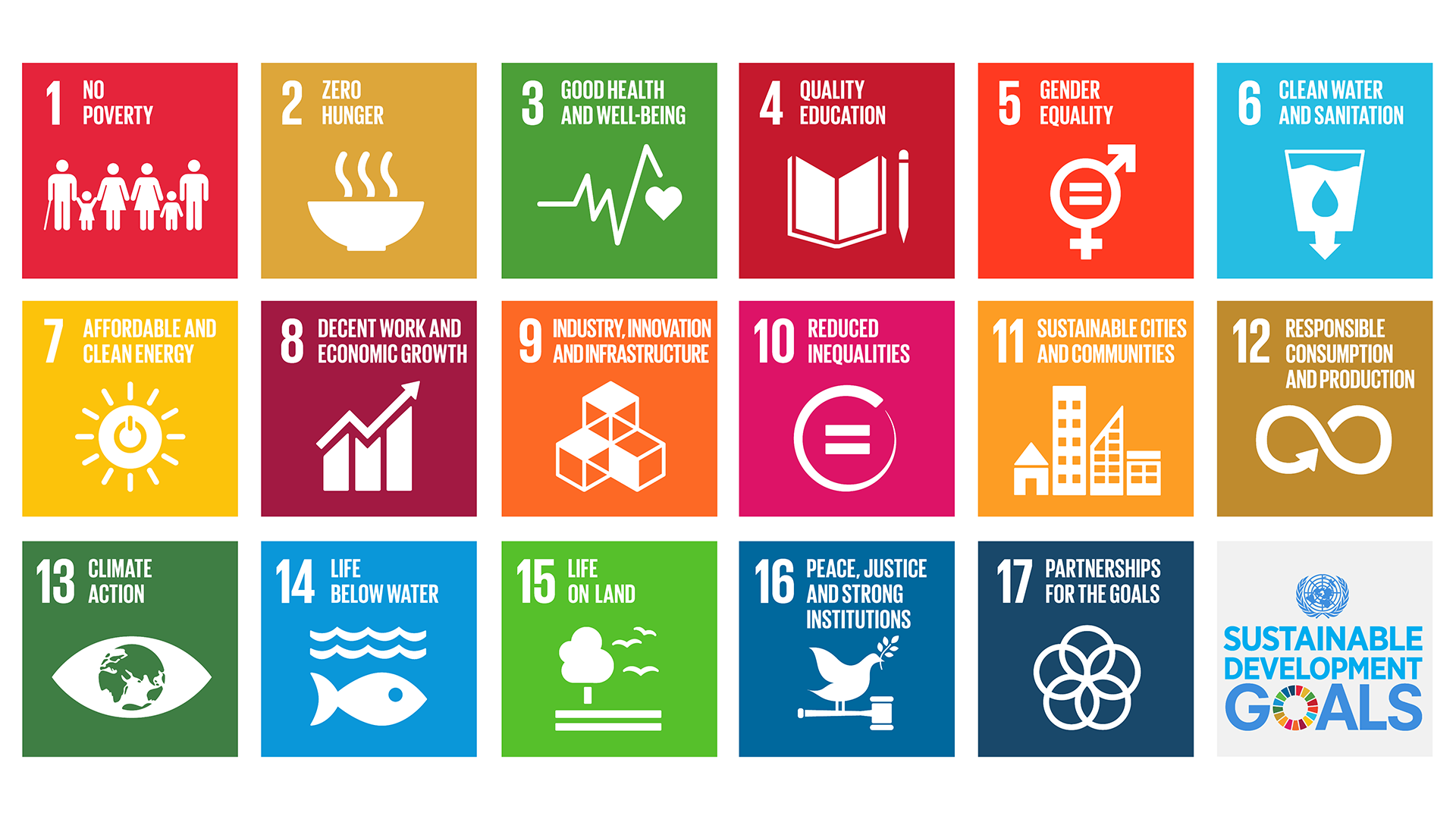
These are actually a useful and broadly recognised way of thinking about sustainability. Trouble is, there are 17 of the blighters. Far too many for a summary report like a food label. So this is where I would love your help.
As a first step, we’d like you to suggest ideas – which to you, investors or potential investors – are sensible ways to group these 17 into a more manageable 3 or 4 categories. Which of these would you want to see measured and reported? Which ones would you group together in common buckets? And what would you call these buckets?
This link will allow you to have a play and help us understand what you want to see. Or if it’s easier please email us at marketing@boringmoney.co.uk with a one-liner, a scribbled picture, a name for a bucket – anything welcome!! We’ll be delivering this project with a reporting prototype in March so you will get to see what we come up with. There’s a bit more of a scene set on this page if you’re interested.
Finally our sponsors of this week’s blog are M&G. Maria, the manager of their sustainable portfolios, shares her thoughts on how a ‘multi-asset fund’ can be a good way to invest sustainably.
Thanks everyone. Over and out for this week. Have a lovely, chilly weekend!
Holly
Sponsored message: M&G
How can we invest sustainably and manage risk?
If you want your savings to be invested in a sustainable way, you are part of an emerging trend. Growing numbers are choosing investment strategies that aim to help protect the environment and benefit society, while targeting long-term financial returns.