



Understanding Your Relationship with Money: A Journey of Self-Discovery
3 Mar, 2025
Understanding your relationship with money is the first step toward empowerment. It’s more than numbers—it’s about unearthing the beliefs, emotions, and patterns that shape how you handle wealth. By challenging old assumptions and developing healthier financial habits, you can transform not only your financial future but your confidence and purpose as well.


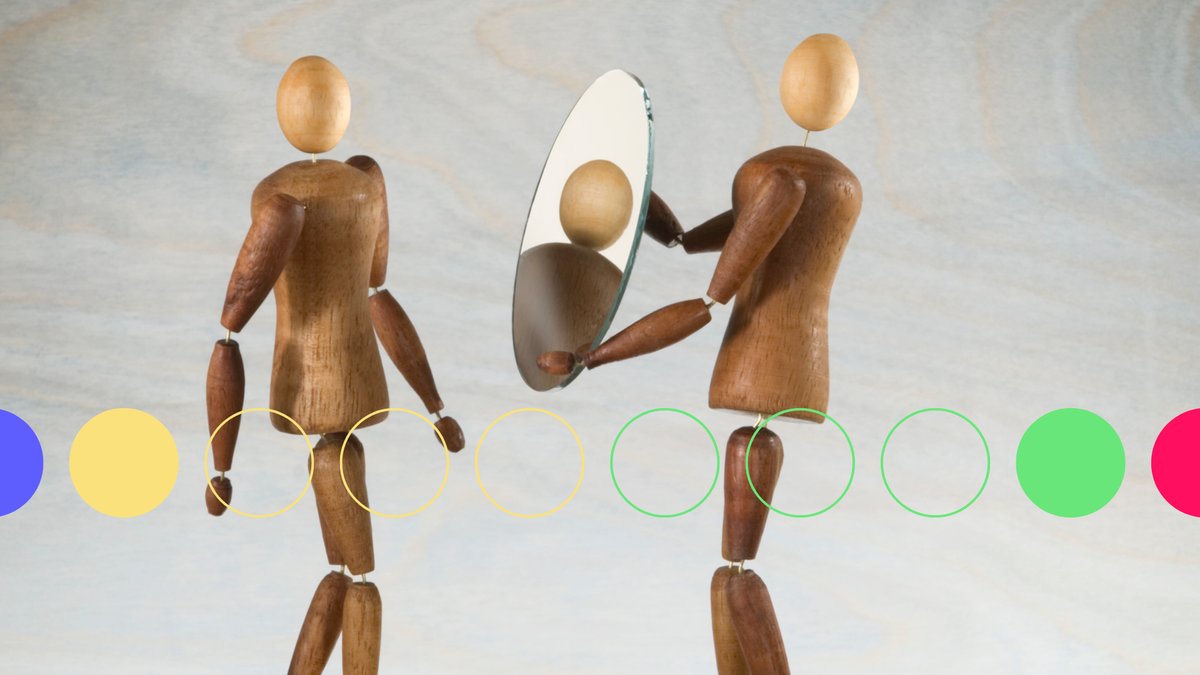
The Power of Early Money Messages
We begin forming our relationship with money long before we earn our first paycheck. Sitting at the family dinner table, watching our parents handle finances, and absorbing cultural messages about women and money – these experiences create deep-rooted beliefs that influence our financial decisions today.
Think back to your childhood. Were money conversations open and encouraging, or were they tense and avoided? Did you hear phrases like "money doesn't grow on trees" or "we can't afford that"? These early messages form the foundation of our money mindset, often operating beneath our conscious awareness.
Our early experiences have greater consequences than we think. In childhood and adolescence, we invent stories to make sense of our own lives. These stories go on to shape who we are. If we have been surrounded by messages of financial fear or repeatedly witness the deferment of money decisions to the male in the household, we absorb this into our life story and this affects our actions.


For many women, these early experiences were complicated further by gender-specific messages. Perhaps you observed your mother deferring to your father on financial decisions, or maybe you were encouraged to focus on saving rather than investing. For many households, conversations probably didn't even bring up saving. More frequently, money was mentioned in terms of needing to not waste it, or making it go as far as one could. Saving was a luxury, and investing was not even considered as an option. Understanding these influences helps us recognise which beliefs serve us and which ones we need to challenge.
Your secret to your financial future lies in your past
People's financial behaviour is guided by their identity, and their identity has been shaped by past experiences, culture, society, the environment, as well as the people around them.
In childhood and adolescence, we invent stories to make sense of our own lives. These stories go on to shape who we are. If we have been surrounded by messages of financial fear or repeatedly witness the deferment of money decisions to the male in the household, we absorb this into our life story and this affects our actions.
The good news is that we never stop writing the story of our lives. We can change the narrative that guides our behaviour by acknowledging the influence of the past and making a conscious decision to say ‘This isn't who I want to be – I want to be in control’. Then, take baby steps towards your larger financial ambitions. Start small by simply subscribing to a YouTube channel which focuses on making smart money decisions. Tomorrow, watch one of the videos when having your lunch. Then, open a stocks and shares ISA, but don't put in any money; don't give yourself that pressure yet. At every step, congratulate yourself for making progress. By taking these steps, you're changing your life story.
Breaking Down Your Current Money Relationship
Your present relationship with money is like a snapshot of where you stand today. It encompasses your beliefs about wealth, your financial confidence, and your day-to-day money habits. Take a moment to reflect on these questions:
Many women discover they've placed unconscious limitations on their earning potential or investment success. These self-imposed barriers often stem from societal messages about women and money, or from a lack of visible female role models in the financial world.
Building a Healthy Money Relationship
Creating a healthier relationship with money is a journey, not a destination. Here are key steps to begin this transformation:
1. Acknowledge Your Current Reality
Start by honestly assessing where you stand today. This isn't about judgment – it's about creating a clear starting point for growth. Track your spending, review your emotional responses to money, and identify your financial strengths and areas for development.
Behavioural Psychologist, Paul Davies shares the secret to maintaining positive financial behaviours,
In a moment of strength, change your environment to make it harder to perform the behaviours you want to stop and easier to promote those you wish to adopt. Then, monitor your behaviour, making sure you reward yourself every step of the way. Finally, make open commitments to those around you that you are making changes and want their support.
2. Challenge Limiting Beliefs
Question the money beliefs you've inherited. Ask yourself:
Like so many others, have you bought into the myths that surround investing?


3. Develop New Money Habits
Small, consistent changes create lasting transformation. Start with one new habit, such as:
Not many of us have large dollops of cash to stick into an ISA, but some of us can set up a monthly direct debit to drip feed into an investment account. Lots of investment platforms will let you do this with small sums like £10-25 a month.
What I like to is to try the ‘Pay Yourself First’ method. Set up a direct debit to come out on payday and go straight into your account. That way it gets whisked away before you’re tempted to spend it. And do the same thing when you get a pay rise, because you can’t miss what you’ve never had!
Remember, there's no one-size-fits-all approach. Maybe £25 a month feels too tight right now. That's okay! Start with what you can afford, even if it's just £10 a month. The key is to get into the habit today so you can increase your pot over time.


4. Build Financial Confidence
Knowledge is power when it comes to financial confidence. Focus on:
Ready to boost your investing know-how in just minutes?
START YOUR FREE BEGINNER'S COURSE →
This quick, jargon-free course breaks down investing essentials in bite-sized lessons perfect for busy women.
Need a quick answer to a specific question?
BROWSE OUR 2-MINUTE GUIDES →
Practical, straightforward advice on everything from ISAs to pensions — explained in plain English.
The Path Forward
Understanding your relationship with money is an ongoing journey of self-discovery and growth. As you develop greater awareness and implement positive changes, you'll find yourself building not just wealth but confidence, clarity, and purpose in your financial life.
Remember, this journey isn't just about you. As you transform your relationship with money, you become a role model for other women, contributing to a broader movement of female financial empowerment. Your success creates ripples that inspire and encourage others to take control of their financial futures.
Take the first step today. Choose one area of your money relationship to explore, and commit to small, consistent actions that will create lasting change. Your future self will thank you for beginning this transformative journey.
Post a comment:
This is an open discussion and does not represent the views of Boring Money. We want our communities to be welcoming and helpful. Spam, personal attacks and offensive language will not be tolerated. Posts may be deleted and repeat offenders blocked at our discretion.