


How to prepare for retirement in the UK: 5 expert tips
Written by Boring Money
17 June, 2025
Preparing for retirement in the UK starts well before your last day at work. From understanding your pension options and planning your retirement income to reviewing your investments, the decisions you make now can have a lasting impact on your finances.


These five expert tips will help you prepare for retirement in the UK and make the most of your savings and investments.
1) Calculate what you've got
Your pension might be your financial headliner, but it shouldn’t be the whole show. When you retire, you stop earning a salary - but your expenses don’t retire with you. So building a layered income strategy is crucial.
Besides your pension pot, you may also have income from dividends, cash savings, or property which can supplement your living costs. Here are some of the main income sources you might have that can boost your retirement savings:
Before you retire, it’s absolutely essential to sit down and get a full picture of your financial landscape - not just your pension, but all your potential income sources. That means adding up your pensions as well as any cash savings, investments, rental income, and even any part-time work you might take on.
Understanding how these income streams interact – and how they’re taxed – gives you a much clearer sense of how much you’ll have to live on, what kind of lifestyle you can afford, and how long your money is likely to last. It also helps you spot any shortfalls early enough to do something about them. A proper tally-up isn’t just good housekeeping - it’s the foundation of a retirement plan that actually works.
2) Pin down your plans with an adviser
Now you've tallied up what you've got, sitting down with an independent financial adviser can make a huge difference. While they can’t magically boost the size of your pot, a good adviser can help you make smarter, more tax-efficient decisions about how to use it. Think of it like a financial MOT - identifying any weak spots and making sure your plans are retirement-ready.
A qualified adviser will review your current situation and recommend strategies to strengthen it, from adjusting your investment mix to managing tax exposure or deciding how and when to access your pension. If you’re unsure about whether to take your 25% tax-free lump sum, consolidate old pensions, or how to set up an income in retirement, this is exactly the sort of thing they can help with.
But let’s talk money: financial advice isn’t free, and it’s important to understand what you’ll pay and what you get in return. Many traditional advisers prefer to work with clients who have at least £75,000+ in pensions or investments, and ongoing advice tends to cost around 2% of your total assets annually. So if your pot is worth £100,000, expect to pay about £2,000 a year for advice, administration and investment management on average.

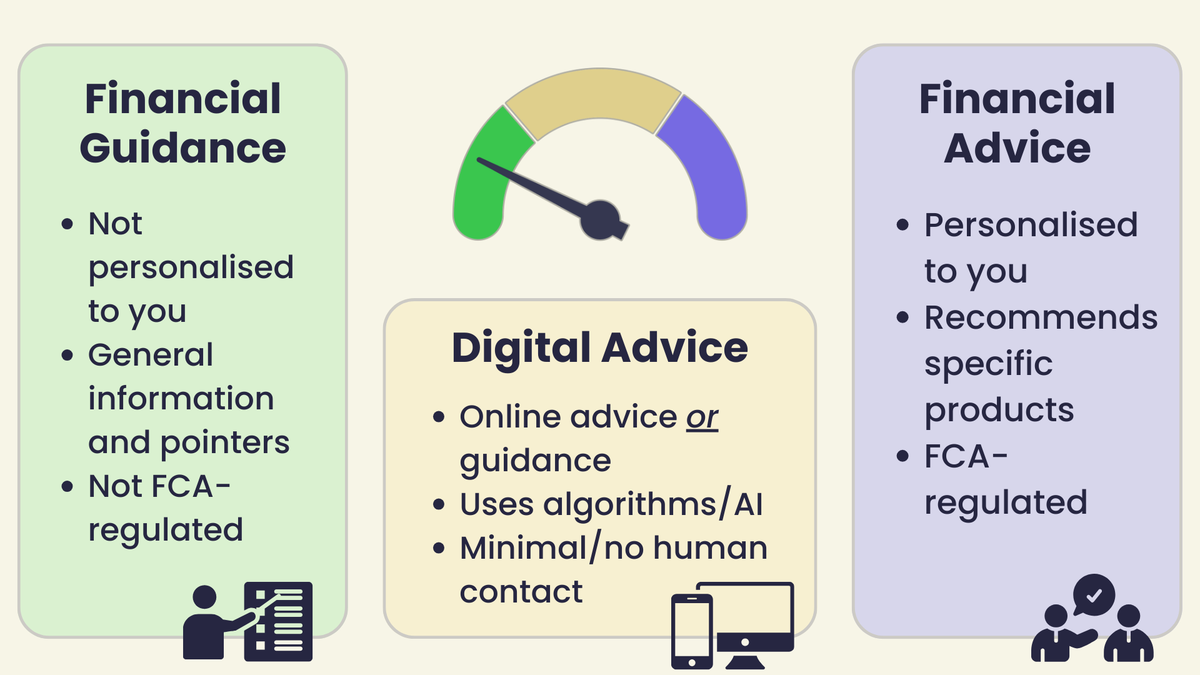
Different types of advice which may be useful if you're approaching retirement.
Getting financial advice (in whichever form works for you) can be a game-changer at this stage - giving you peace of mind, better long-term outcomes, and fewer sleepless nights about your money!
3) Decide how to access your pension
Whether you work with a financial adviser or go it alone, it’s absolutely crucial to understand your choices when it comes to accessing your pension. Retirement planning isn’t just about how much you’ve saved, it’s about how you use it to fund your lifestyle for the next 20 or so years.
Most people find that once they stop working, they have more money going out than coming in. That’s why you need a clear plan for how and when to access your retirement savings to avoid running out of cash. There’s no one-size-fits-all solution, so it pays to understand your options well in advance. Here are some key things to consider:
If this all sounds like a lot, that’s because it is! Retirement income planning is where mistakes can be expensive and irreversible. This is a key reason why speaking to a financial adviser can pay off. But even if you don’t, make sure you’re fully informed before making any big decisions.
4) Review your investment strategy
As you get closer to retirement, it's time to take a fresh look at how your investment portfolio is set up. Why? Because you’re entering what some call the “retirement risk zone” - the few years before and after you retire where a market downturn can do the most damage to the value of your savings.
If your investments take a hit just as you start drawing from your pension, you could end up permanently reducing your retirement income. Unlike younger investors, you don’t have time on your side to recover from losses, so it's crucial to minimise this risk to protect the pot you've spent a lifetime saving up.
So what can you do to de-risk your portfolio before you retire? There are a few general strategies which will help most savers, which we'll discuss below, but it's once again a good idea to consult with a financial adviser if you're unsure or would prefer an expert cast their eye over your plans.
Reduce your risk exposure
Just because you're nearing retirement doesn’t mean you should suddenly sell all your investments and stick to cash (tempting though that might feel during a market wobble). But it is time to reduce unnecessary risk.
Making small tweaks to your portfolio can help you diversify and protect your money. Consider things like:
Dialling down your exposure to high-risk investments - Moving away from more volatile stocks
or assets can help reduce the likelihood of sudden price movements impacting the value of your pot.Increasing your exposure to lower-risk investments - Incorporating steadier assets such as bonds
and money market funds can keep you invested without excessive risk.Making small withdrawals to cover imminent costs - Consider withdrawing money you know you’ll need in the next couple of years, so there's less chance you'll be forced to sell investments in a downturn (just remember withdrawals will count towards your 25% tax-free lump sum and may also increase your tax liability).
Consider your withdrawal strategy
The way you've chosen to withdraw your pension also impacts to what extent you should be derisking.
If you're planning to go down the drawdown route, some of your pension will stay invested, so it needs to strike the right balance between growth potential and stability.
Alternatively, if you’re thinking of buying an annuity, you may want to preserve capital in the short-term so that you're not locking in any losses when it’s time to convert your pot into a guaranteed income.
Sense-check with an adviser
Once more, reviewing and tweaking your investment strategy is where professional advice can be worth its weight in gold. A regulated financial adviser can help you:
Review your current investment strategy
Stress test your retirement plan against market scenarios
Suggest adjustments to reduce volatility without compromising your goals
In short, this is a crucial part of your pension prep. Saving up for your retirement in many ways is the easiest part - it's pulling everything together at the last minute that can be tricky.
If you've got any doubts, questions, or just want to make sure that your plan is appropriate for you, it's a wise move to seek help from a professional adviser.
5) Invest in cashflow planning
Once you’ve reviewed your pensions, explored other income streams, and adjusted your investment strategy, the final piece of the retirement puzzle is working out exactly how much money you’ll need - and how you’ll fund it. That’s where a clear, well-thought-out cashflow plan comes in.
Your goal should be to match your essential costs with secure, predictable income - things like the State Pension, any defined benefit pensions, or an annuity that pays a guaranteed income for life. These sources act as the financial foundation of your retirement. Then, you can use more flexible sources - such as drawdown from a personal pension, ISAs, or investment accounts - to fund the fun stuff.
And don’t forget to factor in inflation. What covers your weekly food shop today might not stretch as far in ten years’ time. Your budget should be reviewed regularly and adapted as your needs and spending habits change over time.
If the thought of turning all this into a workable plan feels overwhelming, a financial adviser can help you build a personalised retirement income strategy that balances stability, flexibility, and tax efficiency.
You can find a retirement planning specialist in our adviser directory below to get started.
Post a comment:
This is an open discussion and does not represent the views of Boring Money. We want our communities to be welcoming and helpful. Spam, personal attacks and offensive language will not be tolerated. Posts may be deleted and repeat offenders blocked at our discretion.