




Pension recycling: How not to fall foul of tricky tax rules
By Boring Money
17 Oct, 2024
It's a widely-held belief that you cannot recontribute tax-free lump sums back into your pension. However, in certain circumstances, you may be able to recycle some (or all) of a tax-free lump sum in order to maximise tax relief. However, this process is complex and subject to many rules which - if broken - could land you with a hefty penalty bill. Let's get to know "pension recycling", why you might want to pursue it and why it's best to reach out to a qualified financial adviser to make sure you do it right.
What is pension recycling?
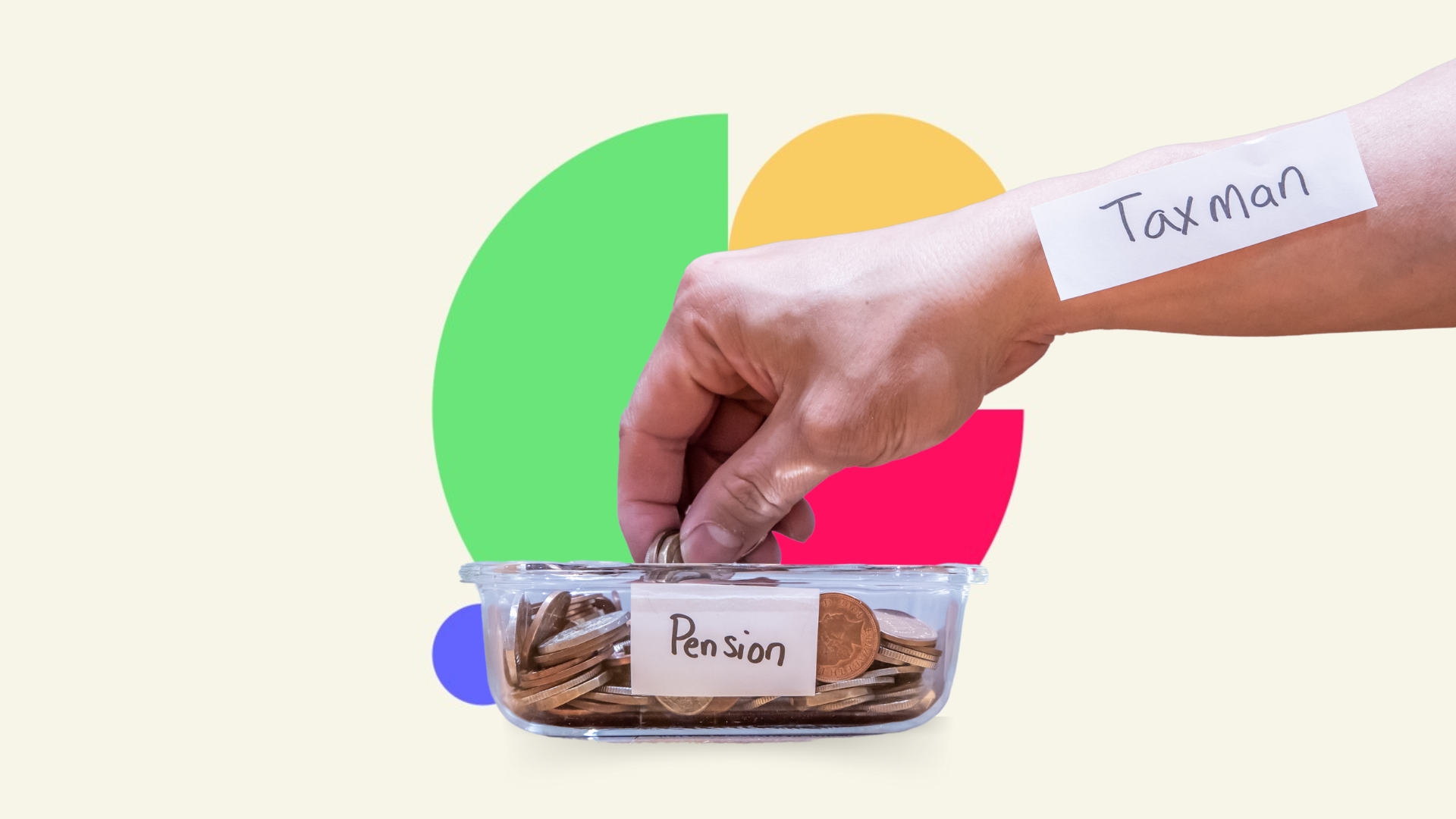
Pension recycling is the process of recontributing some or all of a tax-free lump sum, which applies to the maximum 25% of your pension pot that you can withdraw without paying Income Tax once you reach the age of 55 (this will rise in the future).
The reason why you might want to employ pension recycling is to boost your overall pot by maximising the tax relief you could receive on your contributions.
However, pension recycling does not come without risks. In 2006, HMRC introduced rules to curtail this behaviour and prevent exploitation of the tax relief system.
The rules are complex and anyone who falls foul of them may incur a hefty charge, as the recycled contribution can be deemed an "unauthorised payment" and attract tax charges of up to 55% of the value of your tax-free cash (far out-stripping the benefits of any tax relief gained in the process).
Clare Stinton, Head of Workplace Saving Analysis at Hargreaves Lansdown, says:[1]
Doing the hokey cokey with your tax-free cash - pulling it out and then putting it back in – could land you with a hefty tax charge.
There are limits to HMRC’s generosity. This is money that you typically won’t have paid any tax on, because you will have received tax relief when contributions were originally made and paid no tax on the withdrawal – this is where they draw the line, and it could be one you unwittingly cross.
Importantly, recycling rules only apply to your own pension and do not apply when your tax-free cash is used to boost someone else’s pension, like a spouse’s or child’s pension.
What are the pension recycling rules?
So what are the rules around pension recycling and when do you need to be worried that you've broken them?
If all of the below apply to you, you could incur an "unauthorised payment" charge from HRMC:
- You take a tax-free lump sum from your pension and
- The total amount of tax-free cash you withdraw over a 12-month period is more than £7,500 and
- Contributions into pension are significantly higher than what’s expected (this applies to personal, employer and third-party contributions) and
- The value of the contribution increase is 30% or more of the initial tax-free lump sum you withdrew and*
- After assessing your case, HMRC determine that the recycling was "pre-planned"
*This is assessed over a five-year period, covering the current tax year and the two tax years before and after.
Martin Jones, Technical Manager at AJ Bell, says it's only likely to be a problem if your additional contributions exceed 30% of the value of the tax-free lump sum you initially withdrew:[2]
Of these conditions, the 30 per cent point is the most interesting. Strictly speaking, it’s an HMRC rule of thumb rather than written into legislation, so it’s perhaps not advisable to push right up against it. However, it’s notable because it does still allow a fairly significant increase in additional contributions, which is often overlooked.
Indeed, according to Unbiased, "HMRC is generally only concerned if they see an increase in excess of 30% [of the tax-free lump sum] on expected contributions. Only then will they consider applying the extra tax charge".[3]
What happens if you break pension recycling rules?
"There’s nothing inherently wrong with pension recycling, but any errors can lead to significant tax charges that may outweigh any potential benefits, so it’s crucial to understand the rules", Unbiased warns.[4]
Limited recycling of tax-free cash is possible. However, if caught on the wrong side of the recycling rules, people could end up facing a significant penalty that would likely outweigh any benefit. The tax-free cash will be treated as an unauthorised payment and a charge of up to 55% of its value will be due.[5]
The "unauthorised payment" charge that is incurred if you break pension recycling rules differs depending on the amount of tax-free cash taken from your pension:
- If the tax-free cash taken is less than 25% of the pension value, then a 40% unauthorised payment charge will generally apply
- If the tax-free cash taken is 25% or more of the pension value, then a 15% surcharge will also normally apply
- A further scheme sanction charge of up to 15% can also be levied on your pension provider
Altogether, this means you could face a bill of up to 55% of your tax-free lump sum, plus an additional 15% sanction charge for your provider.
Pension recycling examples: Right and wrong
Hargreaves Lansdown has put together some examples to help you understand how pension recycling works in practice and when an unauthorised payment charge may be due.[6]
Example 1: The right side of the rules
Fran takes £150,000 tax-free cash on 1 October 2024 and increases her annual contributions to her workplace pension by £10,000. This takes her annual contributions from £15,000 to £25,000. Her contributions remain at that level for the next two tax years. Because the cumulative increase in the value of the total contribution is less than 30% of the tax-free cash taken, the recycling rules have not been broken.
Example 2: The wrong side of the rules
You receive £60,000 tax-free cash. You plan to use part of the tax-free cash to pay off your mortgage and part to top up your pension. Over the previous few years, you have been contributing £3,000 a year to your pension.
After paying off your mortgage, you reinvest £30,000 in a pension plan. However, as this investment was preplanned, it is a significant increase and represents more than 30% of the tax-free cash, it is caught by the recycling rules.
Consequently, you could have to pay up to £42,000 tax on the tax-free cash of £60,000. The overall tax charge here is 70%, not 55%. This includes a scheme sanction charge that can be levied on your provider.
What to do if you're considering pension recycling
Pension recycling can be a smart way to boost your retirement savings and make the most of the tax relief available to you. However, the rules are tricky to understand, so it’s important to fully understand all eventualities before making a move to avoid incurring a significant tax bill on your hard-earned cash.
Keep yourself updated on the latest rules and seek professional financial advice if you need help navigating the complexities. A financial adviser or planner will be able to explain how the rules might apply to your unique circumstances, what options you have and whether or not it is appropriate to recycle your pension - or if there are other ways you can maximise your retirement savings which are less complicated.
---
[1] Hargreaves Lansdown, 'Beware the perils of the tax-free cash hokey cokey', October 2024
[2] AJ Bell, 'Pension recycling – risks and opportunities', October 2023
[3] Unbiased, 'Pension recycling: what is it and what are the rules?', September 2024
[4] Unbiased, 'Pension recycling: what is it and what are the rules?', September 2024
[5] Hargreaves Lansdown, 'Beware the perils of the tax-free cash hokey cokey', October 2024
[6] Hargreaves Lansdown, 'Beware the perils of the tax-free cash hokey cokey', October 2024