




Sexy pensions, oh yes!
By Holly Mackay, Founder & CEO
25 Sep, 2026
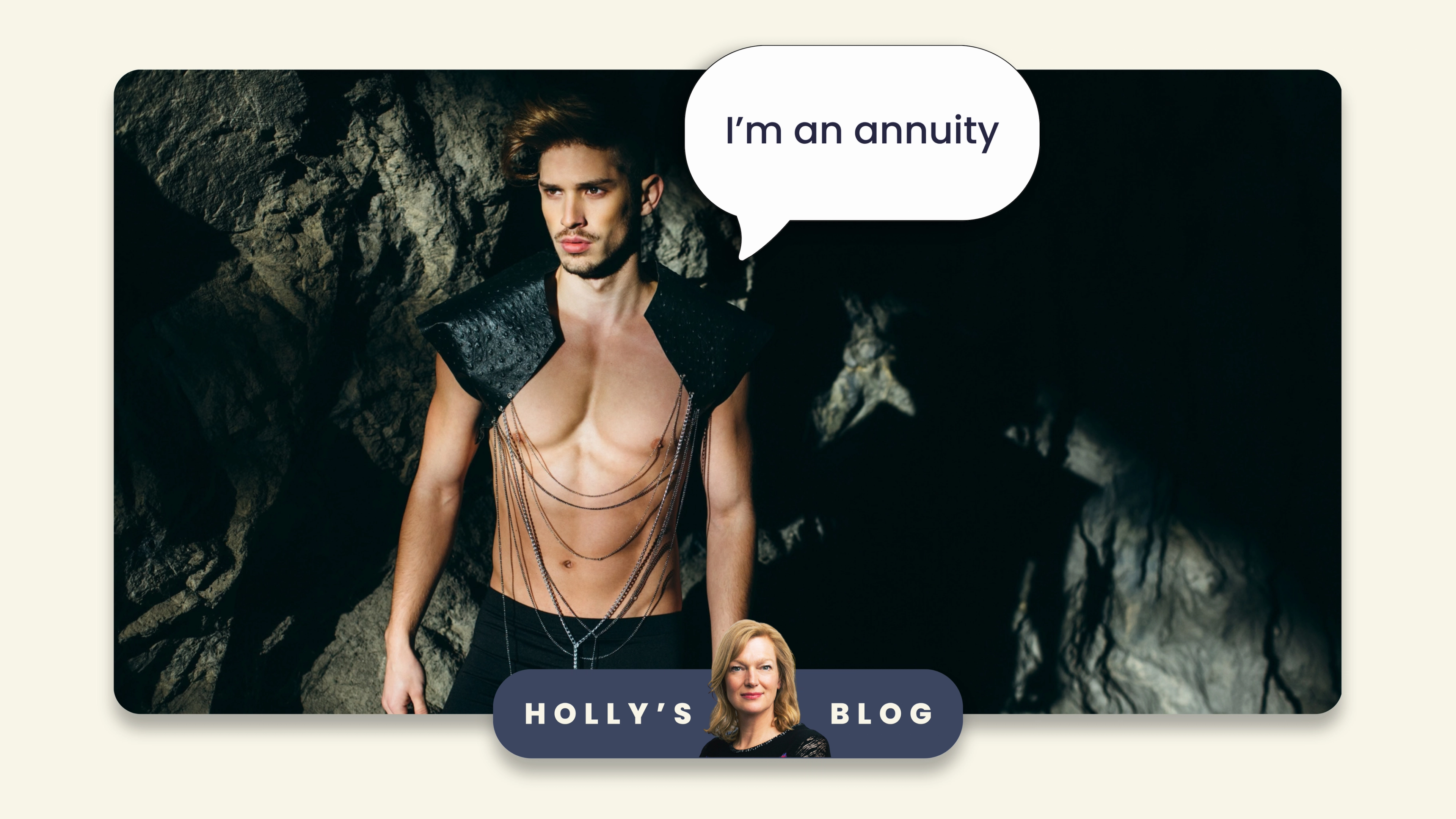
This blog will tell you what you need in retirement, how you’re tracking today and how you can do more to boost it. With bonus snippets on lovely Inheritance Tax and gorgeous annuities. It’s more number-heavy than my usual stuff, but I really hope it’s the most useful financial 5 minutes you’ll spend this month!?
Last week, we asked you about the Triple Lock. Loads of you had something to say – thank you! 54% of readers thought it was a positive thing, 37% a bad thing and the rest were on the fence. This is a contentious topic which splits generations although, interestingly, there are many older voices who say it's unfair and unsustainable. Those who support it continuing often cite the UK’s lower pension rates than Europe as a key reason why this mandated annual increase needs to stay. You can follow the debate here.
Pensions are also in the news spotlight this week, as the financial regulator confirms that people are taking more money out of their pensions than ever. The FCA’s Retirement Income Market Data finds that in 2025/26, more than 320,000 pensions were having more than 8% a year taken out of them. This is nearly half of all pensions where regular withdrawals were made through 2025/26. And it’s a pretty high withdrawal rate.
The 4% rule
A very old, imperfect rule of thumb is that you can afford to take 4% a year out of your pension and not run out of money before taking your last breath. So, got £100,000 in a pension pot? You can theoretically take out £4,000 a year and it will tick along, topping itself up a bit as Public markets where buyers and sellers trade shares of publicly listed companies. They are physical places in the real world - like the London Stock Exchange in London or the New York Stock Exchange in New York City. nudge up and last you a good 20 years+.
8% is too much for those who only have this income source. However, given the upcoming changes to Inheritance Tax from next April, which will see pensions now included in this loathed tax, it’s probable that a decent number of retirees are thinking “Stuff that” and hoiking money out of pensions faster than previously planned. If you want the latest on pensions and Inheritance Tax, have a look here.
How much do I need?
We know that most people don’t know what good looks like. How much they need in retirement. Pensions UK say that you need £32,700 as a singleton or £45,400 as a couple for a moderate standard of living.
If we do some back-of-a-fag-packet numbers (is that even allowed anymore?), the full new State Pension will be around £13,000 next year. So, that leaves a single person needing another £19,700 a year from other sources. Here’s another rule of thumb. Multiply what annual income you need in retirement by 20 and that’s the lump sum you’d need saved into a pension to afford it. So, £19,700 x 20 = £394,000 you need in a pension to enable this annual amount. Gulp.
Annuities are the new sexy
Don’t panic! There are lots of levers to consider. I’d like to draw older readers’ attention to annuities.
Let’s be honest. Annuities are the boring end of already boring pensions. If pensions are librarians, then annuities are the brown cardigan-wearing archivist in the dusty basement. However, interest rates and rising The annual return an investor expects from a bond investment. are helping to make annuities sexy again. Hot. A 65-year-old today with £100,000 in a pension lump sum can trade that in for an annuity (annual income stream) of upp to about £8,000. Phwoooar!
If you add that £8,000 to the full State Pension, then you’re up to £21,000 of retirement income a year from private pension savings of around £100,000. Add any cash savings or rental income to the pot and you see how you can start to build a plan. Many Investment Trusts also pay nice, reliable A payment made by a company to its shareholders, typically representing a distribution of the company's profits., which can be great in retirement. For example, this week’s sponsor J.P. Morgan has a range of Trusts paying out over 4% a year (like Claverhouse or its Global Growth and Income flagship Trust).
For more on your number, Royal London have a helpful, personalised retirement income calculator which will show you if you’re on track.
And a tip for the ostriches
Pensions make most of us feel uncomfortable. We think we’re rubbish at it so put it all off. If you can spare £25 a month, read on.
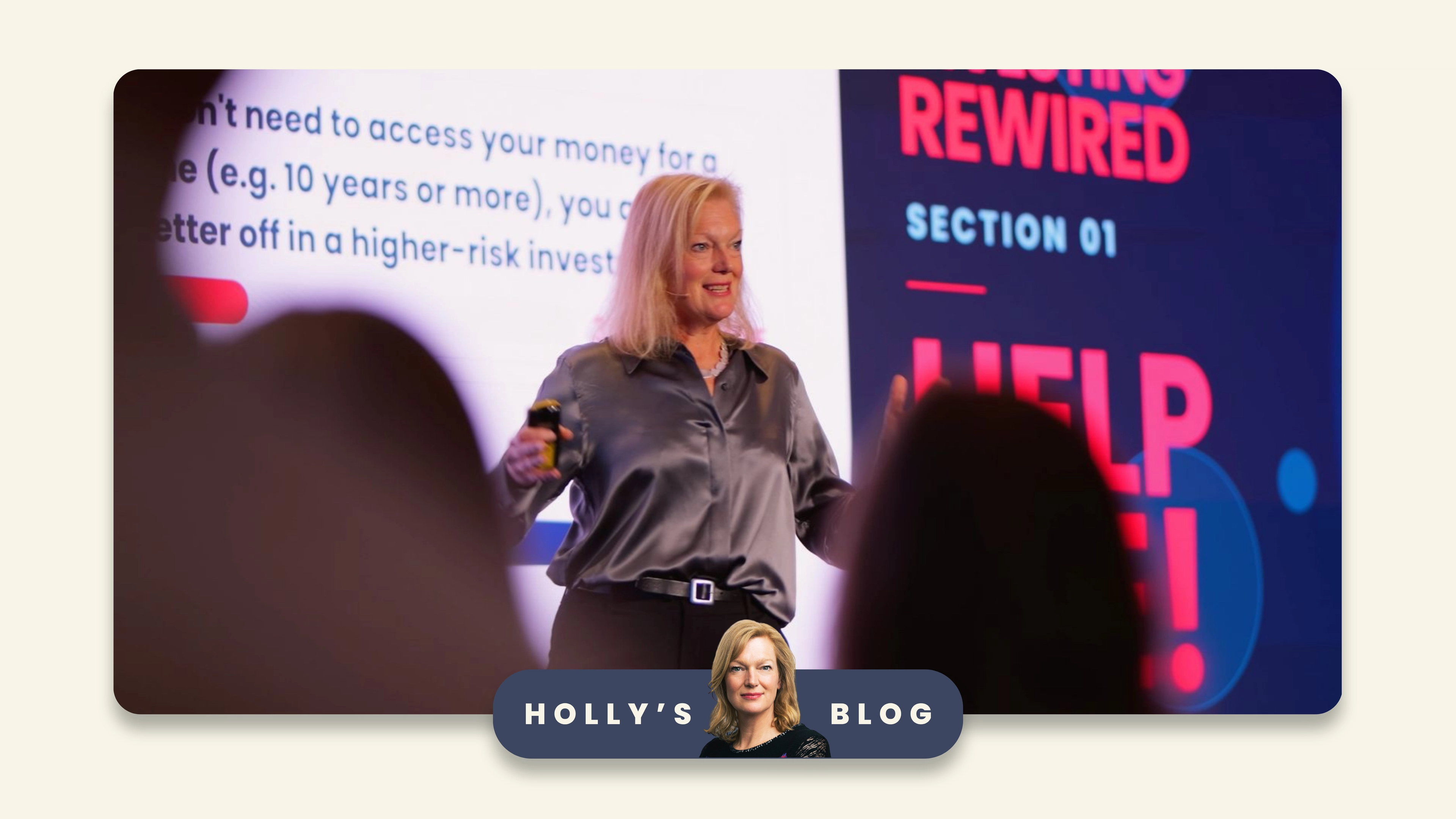
This week, I spoke on a pensions panel at the Times HQ. I was asked for one tip. This one is for beginners, younger people, or people in their 40s or 50s with skinny pension savings who put their heads into the sand.
The average pension through work is £51,000. (It’s £28,000 for 25–34-year-olds; £151,000 for over-55s). Using our rough “divide by 20” rule, £51,000 in a pension stash might get you an income of around £2,500 a year. Hmmm. So, you need to save more.
First rule is to investigate your pension through work. If your employer will match any pension contributions, then look no further. This is a brilliant deal. If you don’t have this option, then AJ Bell, Aviva and Hargreaves Lansdown will let you start a private pension online with a direct debit of £25 a month. For every £1,000 you save in their easy-peasy, ready-made pension plans (which are all good), you will pay an annual total fee of £4.50 (AJ Bell) and £7 (Aviva).
Oof. There you have it. And before an Army of Actuaries line up to tell me off, these rules of thumb are rough indicators only, and some say that it’s “divide by 25” and others say it’s 3.5% not 4% withdrawal rate and BLAH, so it’s just a guide. And chill, actuaries, I said annuities were sexy!?
Have a great weekend, everyone. Thanks to all my lovely readers who shared their stories with me last week of the kids heading to uni for the first time. This week has been strangely emotional, rather quiet and blissfully mess-free in the kitchen!
Holly
The views expressed in this blog are Holly Mackay’s own and do not constitute regulated financial advice. If in doubt, always seek the help of a professional financial adviser before making decisions with your money.




Post a comment:
This is an open discussion and does not represent the views of Boring Money. We want our communities to be welcoming and helpful. Spam, personal attacks and offensive language will not be tolerated. Posts may be deleted and repeat offenders blocked at our discretion.
Your opinion matters
Be the first to comment.