




Everything you need to know about ETFs
ETFs (Exchange-Traded Funds) have become one of the most popular ways to invest – and it’s easy to see why. Whether you’re a beginner or looking to refine your portfolio, our Hub will help you invest in ETFs with confidence.

ETF facts
Want to know the best performing ETF of 2026? Wondering why they're so good for diversification? Check out these bite-sized facts about ETFs!
What are the top-performing ETFs so far this year?The top performing ETFs so far this year were dominated by funds with exposure to gold mining and precious metals.
Why are ETFs great for diversifying your portfolio?ETFs are great for diversifying your investment portfolio because they can give you access to a wide range of investments all in one wrapper.
Do ETFs pay dividends?ETFs which invest in shares receive dividends when those shares pay out, but this is not always passed onto the investor.
How many ETFs should you invest in?There is no limit to the number of ETFs you can have in your portfolio, but working out the right amount for you really depends on your investment strategy.
What's the difference between an ETF and a mutual fund?ETFs and mutual funds are often talked about in the same circles, but the difference between them isn't always spelled out for you, and this can get very confusing very quickly.
What are the top-performing ETFs so far this year?
Boring Money tracks the monthly bestseller lists at AJ Bell, Fidelity, Hargreaves Lansdown and interactive investor. On that basis, iShares Physical Gold ETC (SGLN) is the UK's most popular ETF. Other investor favourites include Vanguard FTSE All-World UCITS ETF (VWRP/VWRL), Vanguard S&P 500 UCITS ETF Distributing (VUSA) and Vanguard S&P 500 UCITS ETF Acc (VUAG).
What are the top-performing ETFs so far this year?
What are the top-performing ETFs so far this year?
Boring Money tracks the monthly bestseller lists at AJ Bell, Fidelity, Hargreaves Lansdown and interactive investor. On that basis, iShares Physical Gold ETC (SGLN) is the UK's most popular ETF. Other investor favourites include Vanguard FTSE All-World UCITS ETF (VWRP/VWRL), Vanguard S&P 500 UCITS ETF Distributing (VUSA) and Vanguard S&P 500 UCITS ETF Acc (VUAG).
Why are ETFs great for diversifying your portfolio?

Why are ETFs great for diversifying your portfolio?
You can think of an ETF like a shopping basket. Rather than running around a supermarket holding all the individual things you want to buy in your arms, an ETF is like a basket already filled with a bunch of groceries, all in one easy-to-carry box. A single ETF can invest in a range of assets, from shares to bonds and even property, allowing you to get exposure to an array of different investments in just one product!
Do ETFs pay dividends?
Do ETFs pay dividends?
Generally speaking, there are two ways that ETFs utilise dividends: reinvestment and payment. Some ETFs reinvest the income they receive from dividend payments by using it to purchase new assets, often the same share that paid out the dividend in the first place, in a process known as "dividend growth investing". The value of the ETF grows as the number of shares it owns increases, and this in turn increases the value of the shares of the ETF itself. Alternatively, an ETF can collate the dividends paid out by its underlying shares and distribute them directly back to the investors.
How many ETFs should you invest in?

How many ETFs should you invest in?
First of all, remember that each ETF you own will likely invest in at least 20-30 stocks, and sometimes more. So if you hold 10 or more ETFs, you could have hundreds - or even thousands - of underlying shares in your portfolio. While it's important to invest in a range of products to diversify, you don't need to own dozens of ETFs to do this. In fact, a healthy 5-6 ETFs is plenty for the average investor, and will help you to keep a closer eye on the performance of each one if you're not losing track of how many you have!
What's the difference between an ETF and a mutual fund?
What's the difference between an ETF and a mutual fund?
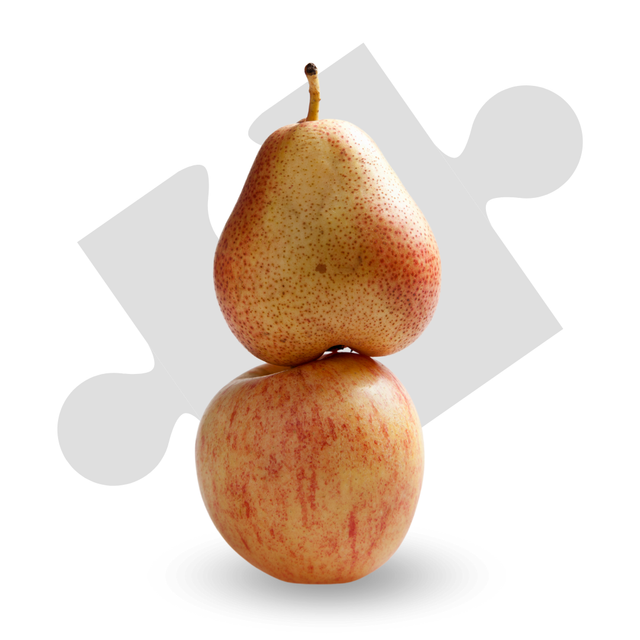
ETFs and mutual funds are similar investment vehicles. but the key difference boils down to how they're traded: ETFs trade on the stock market throughout the day, like traditional shares, whereas mutual funds are only traded once at the end of each day. In addition, the majority of ETFs are passive, whereas most mutual funds are actively-managed and therefore charge slightly higher fees.
ETF related articles
Dive deeper into our handy articles - on everything from the best-selling ETFs of the month to the latest themes trending in the ETF sector!






Your investing questions answered
You've been writing in to ask us how you can make your money work harder. So we're making it our mission to help real readers with real money problems.
16 June 2026, 08:28
Investing1
1
10 June 2026, 07:55
Stocks and Shares ISAInvesting1
1
20 May 2026, 08:10
Investing1
1
15 April 2026, 10:16
Investing6
6
13 April 2026, 13:10
Investing0
0
10 April 2026, 14:00
ISAStocks and Shares ISAInvesting0
0
09 April 2026, 10:34
Investing12
12
09 April 2026, 10:34
Investing3
3
09 April 2026, 10:34
Investing3
3
09 April 2026, 10:34
Investing5
5
Frequently Asked Questions about Boring Money’s ETF Hub
What is an ETF?
An ETF (exchange-traded fund) is a ready-made bundle of investments, such as shares or bonds, that trades on a stock exchange just like an individual company share. Most ETFs passively track a market index, such as the Also called “Footsie”, the name for the share index made up of the largest 100 companies by market capitalisation (total value of all shares) listed on the London Stock Exchange. or An index that tracks the performance of the 500 largest publicly traded companies in the United States. It's often used as a benchmark for the overall global stock market., which keeps running costs low and gives you instant diversification in a single purchase. Others are active, which means they’re managed by a portfolio manager.
How do ETFs work?
When you buy an ETF, you buy a slice of a fund that owns many underlying investments. Most ETFs simply mirror an index, so the fund rises and falls with that market. Because ETFs are listed on a stock exchange, you can buy and sell them throughout the trading day at the live market price.
Are ETFs good for beginners?
Yes. ETFs are popular with beginners and cost-conscious investors because they are simple to understand, cheap to run and spread your money across many companies at once. The trade-off is that you can't pick the individual companies inside, and like any investment, ETFs still rise and fall with the market.
How long should I invest in ETFs?
ETFs are best treated as long-term investments, so aim to invest for at least five years. Historically, money invested for more than five years has grown more than cash savings, and a longer timeframe helps you ride out short-term market dips. Values can fall, so you may get back less than you invest.
Where can I buy ETFs in the UK?
You can buy ETFs through an investment platform, ideally inside a Stocks & Shares ISA or SIPP so your gains and income are sheltered from tax. Platform fees and dealing charges vary widely between providers, so compare them before choosing. Boring Money's comparison tables and ISA and Pension Finder can help you decide.
Why is Boring Money the best place to learn about ETFs?
Boring Money's free, independent ETF Hub explains ETFs in plain English, with a beginner's guide, a pros and cons breakdown and a jargon-busting glossary. It also publishes monthly best-selling ETF lists and top-performer data, so you can see what other investors are buying, compare your options and find out how to invest.