



5 strategies to minimise Capital Gains Tax
By Boring Money
3 Oct, 2024
There are plenty of rumours flying around about how Capital Gains Tax (CGT) might change in the October budget. In reality, relatively few people will pay it. Still, it is always possible for those with assets held outside of an ISA or a SIPP, and it can occasionally come as a surprise. Here’s what you need to know and five ways to minimise your bill.
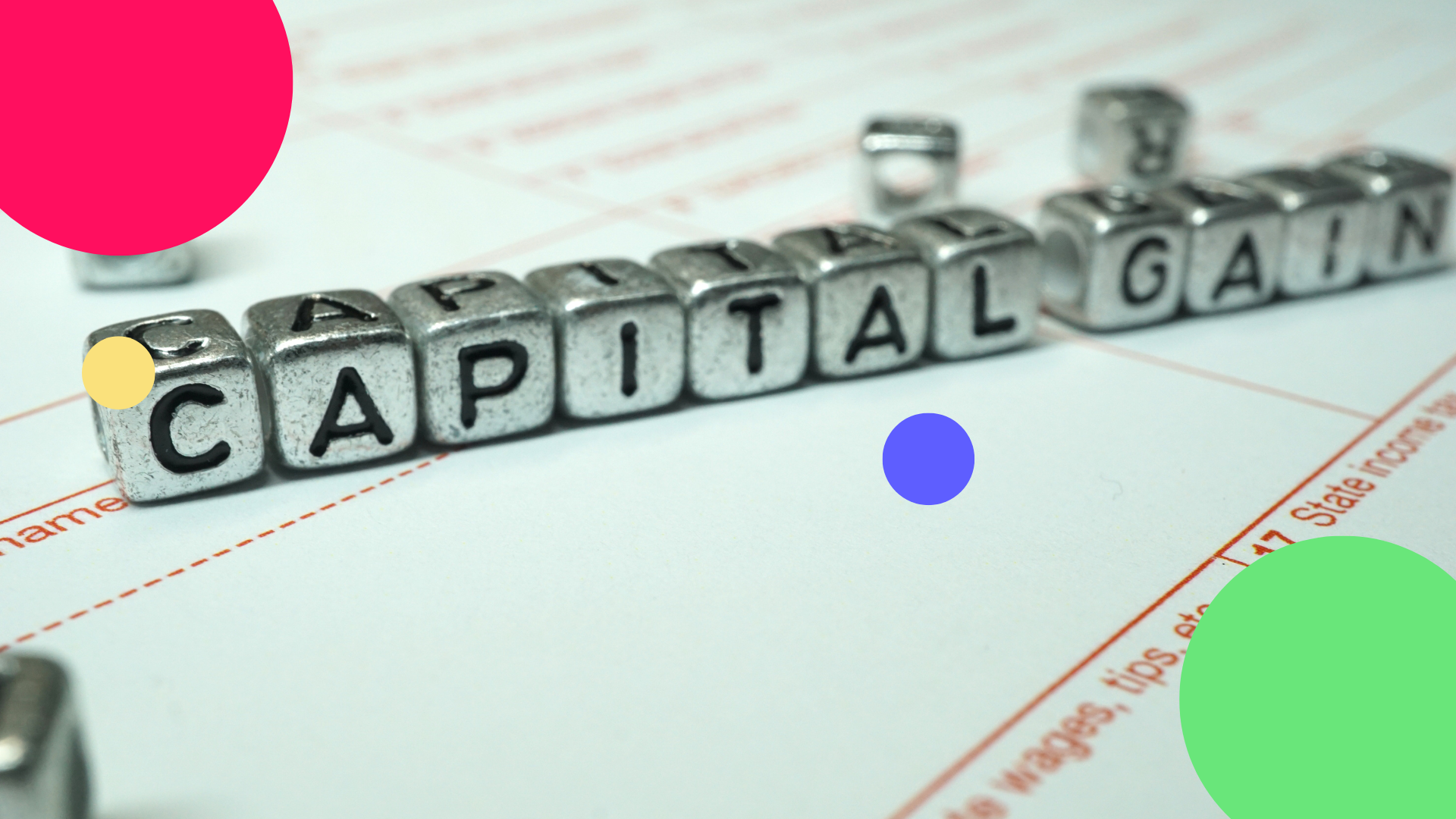
Capital Gains Tax (CGT) is paid on the increase in the value of an asset when you sell it or transfer ownership to someone else. Your primary residence is exempt, but it applies to second homes, shares, and even artworks and antiques.
The calculations for CGT are complex. Your "gain" is the difference between your buying price and your selling price, but you can deduct allowable costs such as professional fees or the cost of upgrades.
As it stands, you will pay tax at 24% on investments and property if you are a higher or additional rate taxpayer. That falls to 18% if you are a basic rate taxpayer. This follows reforms announced in the Autumn Budget 2024.
Tax Band | Tax Payable on Investments | Tax Payable on Property |
Basic Rate £12,571 to £50,270 | 18% | 18% |
Higher rate £50,271 to £125,140 | 24% | 24% |
Additional rate over £125,140 | 24% | 24% |
Tax Band | Tax Payable on Investments | Tax Payable on Property |
Basic Rate £12,571 to £50,270 | 18% | 18% |
Higher rate £50,271 to £125,140 | 24% | 24% |
Additional rate over £125,140 | 24% | 24% |
CGT receipts were over £14bn in 2022-23, and 369,000 people paid the tax[1]. The amount raised in CGT has quadrupled over the past decade, and the number of people paying the tax has doubled. While this is partly because of rising asset prices, it has also coincided with a fall in the rates of CGT.
1. Use your CGT allowance each year
Everyone has a £3,000 allowance each year, which operates on a use-it-or-lose-it basis. This means you can make a net £3,000 gain without it being chargeable to tax. The simplest way to avoid CGT is to use this allowance each year, so large gains don’t build up.
This is obviously easier to do with certain assets over others. You can sell chunks of an investment portfolio, but selling a portion of a house or an artwork may not be possible. Equally, it is worth noting that there are rules against the immediate sale and repurchase of an asset (known as ‘bed and breakfasting’), but – in the case of stock market investment - this can be dealt with by ‘bed and ISA’ or ‘bed and SIPP’ options.
2. Get as much as you can into a SIPP or an ISA
Assets held in SIPPs and ISAs can accumulate free of CGT, so investors should be using their allowances in full where possible. If you have assets held outside an ISA or SIPP, you can simply sell them and buy them back within the ISA or SIPP wrapper. It can be a handy way to use your CGT allowance and gets round the ‘bed and breakfasting’ rules.
Product | Maximum allowance |
Cash ISA | £20,000 |
Stocks & Shares ISA | £20,000 |
Lifetime ISA | £4,000 |
Junior ISA | £9,000 |
SIPP | £60,000 |
Product | Maximum allowance |
Cash ISA | £20,000 |
Stocks & Shares ISA | £20,000 |
Lifetime ISA | £4,000 |
Junior ISA | £9,000 |
SIPP | £60,000 |
3. Pass assets to your spouse
Everyone has a Personal Allowance, a CGT allowance, and ISA and SIPP allowances. Transfers between spouses can be made free of tax, so it makes sense to equalise your assets to take advantage of both sets of allowances.
You could transfer some of your investment portfolio, for example, if your spouse isn’t making use of their Capital Gains Tax allowance, or transfer assets to them, which they can then transfer into their SIPP or ISA. This is known, slightly weirdly, as a ‘Bed and Spouse and ISA’.
4. Use your losses
As every seasoned investor knows, not every asset rises in value, and you may be sitting on losses elsewhere in your portfolio. These losses can be offset against gains you’ve made to reduce your Capital Gains Tax bill. It may be time to let go of that speculative oil company, or that whizzy technology name that just doesn’t seem to have quite made it to the big time yet!
5. Consider an Enterprise Investment Scheme
This is a complex investment option, but can be worth it for those with large gains to offset. The Enterprise Investment Scheme (EIS) is a government initiative aimed at helping small businesses raise the funds they need to grow. Private investors get generous tax breaks for investing in these schemes, including deferral of CGT if the investment is held for at least three years.
The schemes will generally be high risk, because businesses have to be small to qualify for the relief. As such, it is possible to lose money and any investment needs to be made with your eyes open. Nevertheless, the tax incentives provide a cushion and it can be a good option if you have significant gains and an appetite for risk.
---
[1] Mortgage Solutions, August 2024