



Autumn Budget 2026: What may be coming and your action plan
Written by Cherry Reynard
2 Oct, 2026
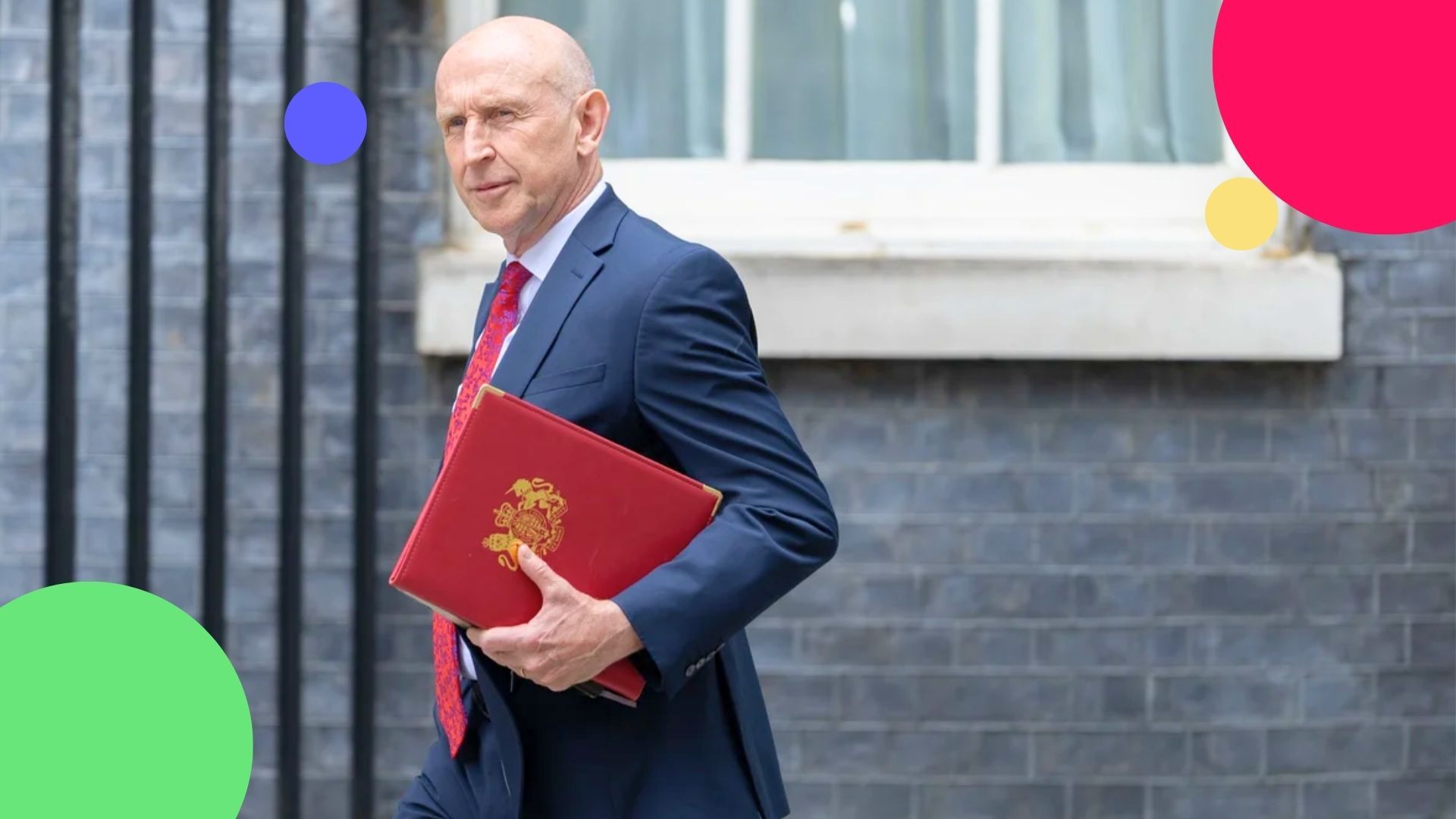
John Healey comes into the budget facing exactly the same thorny problems as his predecessors – too much debt, not enough growth and rising spending demands. It is unlikely he will find any alchemy to resolve this uncomfortable reality, so savers and investors are again left to speculate on how they might be hit, with both tax rises and spending cuts on the table.
Let's cut through the noise and focus on the smart moves that'll keep more money in your pocket – whatever changes come.
Key areas to watch out for:
Possible changes to CGT – there have been rumours of a possible change to equalise Capital Gains Tax and income tax.
Changes to land and property tax – rumours (denied by the government) that the mansion tax threshold could drop to £1.5m from the current level of £2m.
“Move power and money out of Westminster and into every postcode around Britain.” What might that mean for the distribution of wealth around the country?
“A new age of industrialisation” for the UK - a potential increase in defence spending, a boost to the shipbuilding industry and other potential incentives.
Your no-regrets action plan
Rather than panic or freeze with indecision, there are smart steps you can take that will benefit your finances regardless of what actually makes it into the Budget. Here's your comprehensive action plan:
1. Get your ISAs sorted (the no-brainer starting point)
It would be a brave Chancellor to mess with the Stocks & Shares ISA and it looks unlikely that Healey will tweak the rules. So ISAs should remain a valuable way to protect any income and gains on your investments from tax. These accounts are the no-brainer starting accounts for investors to use.
However, he’s unlikely to reverse the new limits on Cash ISAs, due to come from April 2027. If your preference has been to keep money in cash, you may need to think a little harder on your options for the next tax year. The Cash ISA deposit limit will fall to £12,000 for savers under 65. To be honest, most people shouldn’t be keeping £20,000 in a Cash ISA every year unless they’re saving for a very short-term goal. Far better to focus on getting your money to work harder through stock market investment.
No need to procrastinate – you can open most of them with £100 or less. Our coveted Best Buy ISA award will help you to pick a good ‘un.
With Capital Gains Tax (CGT) allowances now slashed to just £3,000 (basic rate taxpayers pay 18% on gains above this, higher rate taxpayers pay 24%), ISAs become even more valuable. With those frozen thresholds dragging more people into higher tax brackets, your personal savings allowance is shrinking faster than a cheap jumper in a hot wash.
2. Transfer investments into your ISA through 'Bed & ISA'
You can stick up to £20,000 into an ISA this tax year. But even if you have no spare cash, could you move any existing shares or funds you own outside an ISA into one?
The answer is yes, and this process is given the ridiculous name of 'Bed & ISA' by the investing industry.
For example, if you have £40,000 in shares which are NOT currently in an ISA, you could sell half at the end of March, move the £20,000 in cash into the ISA and then buy the shares back. And repeat after 5th April with the remaining £20,000. Those investments are now safely ‘wrapped’ in an ISA and you won't rack up a tax bill on any gains.

How Bed & ISA works:
- Sell investments outside your ISA (up to £20,000 worth)
- Repurchase the same assets within your ISA allowance
- Future gains are now protected from CGT!
NB. But don't get caught out with timing! Remember it usually takes 2 working days to get your hands on the cash from selling shares, and 4 days from funds, so don't leave it until the very last days of the tax year.
Here are two things to think about if you are indeed tempted to 'Bed & ISA':
Be mindful of Capital Gains Tax - Selling investments outside an ISA will 'realise gains'. Make sure these gains won't take you over your £3,000 annual allowance or there will be tax to pay, which you may not want and may defeat the purpose.
You will be out of the market for a bit - There will be a gap of up to a week between selling and buying back. Markets can be volatile, so make sure you're OK with this.
3. Smart Capital Gains Tax management
In recent years, there has been a hurry to sell assets ahead of every budget in fear that the government will change the rates of capital gains. Similar rumours have haunted the budget this year, with (denied) reports that CGT rates could be levelled with Income Tax rates – taking them from around 24% to as high as 40% or 45%.
That said, selling assets ‘just in case’ is a risky business. It is possible either that nothing will change, or that the tax could be reformed more significantly – perhaps with some form of indexation for long-held assets. A better option is to opt for good practice year on year. The CGT allowance (the amount of profits you can make before paying the tax) has more than halved over the past decade, making smart timing crucial.
4. Capital Gains Tax strategies for couples
Interspousal transfers – between married people or those in a civil partnership – can also be your friend. As a duo, you have £6,000 of tax-free gains per year. You can give each other stuff out of the kindness of your tax-mitigating heart. "Hello darling, here is a present of 500 Unilever shares as a token of my undying love for you. Now could you sell them please and realise the gains in your name, not mine?"
This wheeze is particularly good if one of you is a lower-rate taxpayer. CGT is paid at different rates depending on whether you’re a higher or lower rate taxpayer. Lower-rate taxpayers who exceed their £3,000 allowance will pay tax on the remainder at just 18%, while higher-rate taxpayers pay 24%.
Of course, you need to trust your spouse not to disappear to a luxury resort in the Caribbean for six months. They will own the asset and can theoretically spend it as they please.
Discover more ways couples can maximise their money
5. Savings strategy for frozen thresholds
With personal tax thresholds frozen until 2028 (and potentially beyond), more people are being drawn into paying tax on their savings interest. In fact, HMRC data shows that in the 2025-26 tax year, there were an estimated 39.1 million people are paying Income Tax - up from 34.5 million in 2022-2023.[1]
Understanding your allowances:
- For basic rate taxpayers, the Personal Savings Allowance is £1,000
- For higher rate taxpayers, it's just £500!
- Additional rate taxpayers do not have any Personal Savings Allowance - meaning any interest they earn on their savings is automatically included in their taxable income for Income Tax purposes
6. Pension moves (before they pull the rug out)
If you're a higher or additional-rate taxpayer, pensions are your friend: all contributions come with tax relief at 40% or 45%. Every budget sees chatter about flattening pension tax relief, which could see that tax relief drop to 20% (or maybe 25%). It hasn’t happened yet. Previous Chancellors appear to have considered it and ruled it out. However, these are difficult times, and John Healey may decide that he’s going to bite the bullet.
Like all generous tax allowances – and pension tax credits are generous – it is worth taking them while you can.
What you've got right now:
- The general rule of thumb is that you can contribute up to 100% of your salary OR a maximum of £60,000 a year (whichever is lower) into your pension savings. This includes both your contributions and employer contributions.
- Tax relief at your highest rate (40% or 45%).
- If you've inherited money, been gifted money, sold a business or found a pot of gold, do read up on pension "carry forward" – this basically means you can use the previous three years' allowance too, stick it in your pension, and get those lovely government top-ups.
- Salary sacrifice – This perk is heading the way of the dodo, but you’ve still got three years to make the most of it. Salary sacrifice has been a neat way to lower your tax liability by opting to swap some of your salary for non-cash benefits such as pensions. It has been a win/win for employers and employees. However, from April 2029, National Insurance relief on pension contributions made through salary sacrifice will be capped at £2,000 per employee per year, so if your employer offers it, make the most of it while you still can.
Ultimately, putting money in your pension is unlikely to be a bad idea, particularly for higher or additional-rate taxpayers. It’s a good idea to make the most of the system as it currently stands getting as much as you can reasonably afford (subject to the annual limits) into your pension.
Pensions become even more valuable as you move into higher tax bands because contributions can attract tax relief at your marginal rate, subject to the usual rules and allowances. Salary sacrifice, where offered, can also reduce taxable pay and National Insurance - a benefit that is already set to become less generous. For now, fiscal drag makes it increasingly important to understand not just what you earn, but what tax band you are in and whether you’re making full use of the pension and tax allowances available to you.
7. Family money moves (getting the kids involved)
The government has been noticeably quiet on Inheritance Tax , but that doesn’t mean there won’t be changes further down the line. You don’t have to do anything radical like squirrel your money offshore, or set up elaborate trusts. There are plenty of simple ways to chip away at the inheritance tax bill your heirs will face. The sooner you start, the easier it will be.
Gifting:
You have three main options to gift your wealth:
- £3,000 a year to anyone you like. This falls out of Inheritance Tax altogether.
- Regular gifts out of income – regular gifts of any size, as long as you can prove they are made from your usual income, and don’t diminish your standard of living
- Potentially exempt transfers – gifts of any size, providing you survive for seven years after they are made.
Where to put those gifts:
If you are a well-off and well-organised parent, you can use Junior ISAs and Junior SIPPs to invest up to £12,600 per child each year. With relatively conservative investment growth of 6% a year, that’s a pot of over £400,000 by the time they’re 18. They might even look up from Snapchat.
If you are a very well-off (or well-organised) parent, you can also use the point above to fill up on Junior ISAs too. The idyllic family of 4 - last seen in 1980s advertising - could have up to £20,000 in an ISA each for Mum and Dad, and £9,000 each for little Johnny and Jemima. Just don't tell Johnny and Jemima, because they will own the assets when they turn 18 and you don't want them to drop out, grow dreadlocks and go and live in a treehouse in Ko Phangan!

8. When to seek professional guidance
With ongoing uncertainty, taxpayers can be forgiven for feeling confused and concerned about what the Chancellor has in store. Professional financial advice can be useful, particularly at key life stages such as marriage, the birth of a child, changing jobs or at retirement. Some companies offer low-cost financial advice for those who don’t need a comprehensive service
The bottom line
Savers and investors may be put off by the major headlines. What’s important is keeping an eye on the things you can control while staying invested. There may be changes to capital gains, investing policy, property or other taxes, but trying to second-guess the Chancellor is no substitute for a long-term investment strategy
Here's the thing – don't let budget speculation send you into a tailspin. During the last round of budget speculation, investors panicked that the government was about to limit the tax-free allowance. Many withdrew money. In the end, the allowance wasn’t touched, and people found their pension planning had gone awry. The secret is focusing on moves that make perfect sense whether the Chancellor throws us a curveball or not. Max out those ISAs, manage CGT smartly, and get your pension contributions sorted while the going's good.
These aren't just defensive moves – they're sensible wealth-building strategies.
---
[1] HMRC