




How prepared are UK savers for retirement? 5 pension trends to know
Edited by Joss Hysi
21 Sep, 2026
Most UK savers aren't as prepared for retirement as they'd like to be - and Boring Money's own data proves it. Under-45s are 10 percentage points more likely than over-55s to find pensions confusing (68% vs 58%), nearly 6 in 10 of savers don't have a confident retirement plan, and the self-employed are roughly four times more likely than employees to have no pension at all. Boring Money's five data-backed trends show exactly where UK retirement planning is falling short - and what to do about it.

September is Pension Awareness Month - a nationwide campaign aimed at highlighting the importance of saving for retirement. At this time of year, you may encounter a tsunami of pension-related articles, webinars, and clinics plastered over your social media and/or email inbox, designed to educate you about how pensions work and how you can use them to set yourself up for a comfortable retirement.
Our research team has picked the brains of thousands of UK savers and investors to get a better understanding of what they’re doing with their retirement savings for our Pension Report 2025. We've pulled out five of the most interesting insights below.
1) How many young people find pensions confusing?
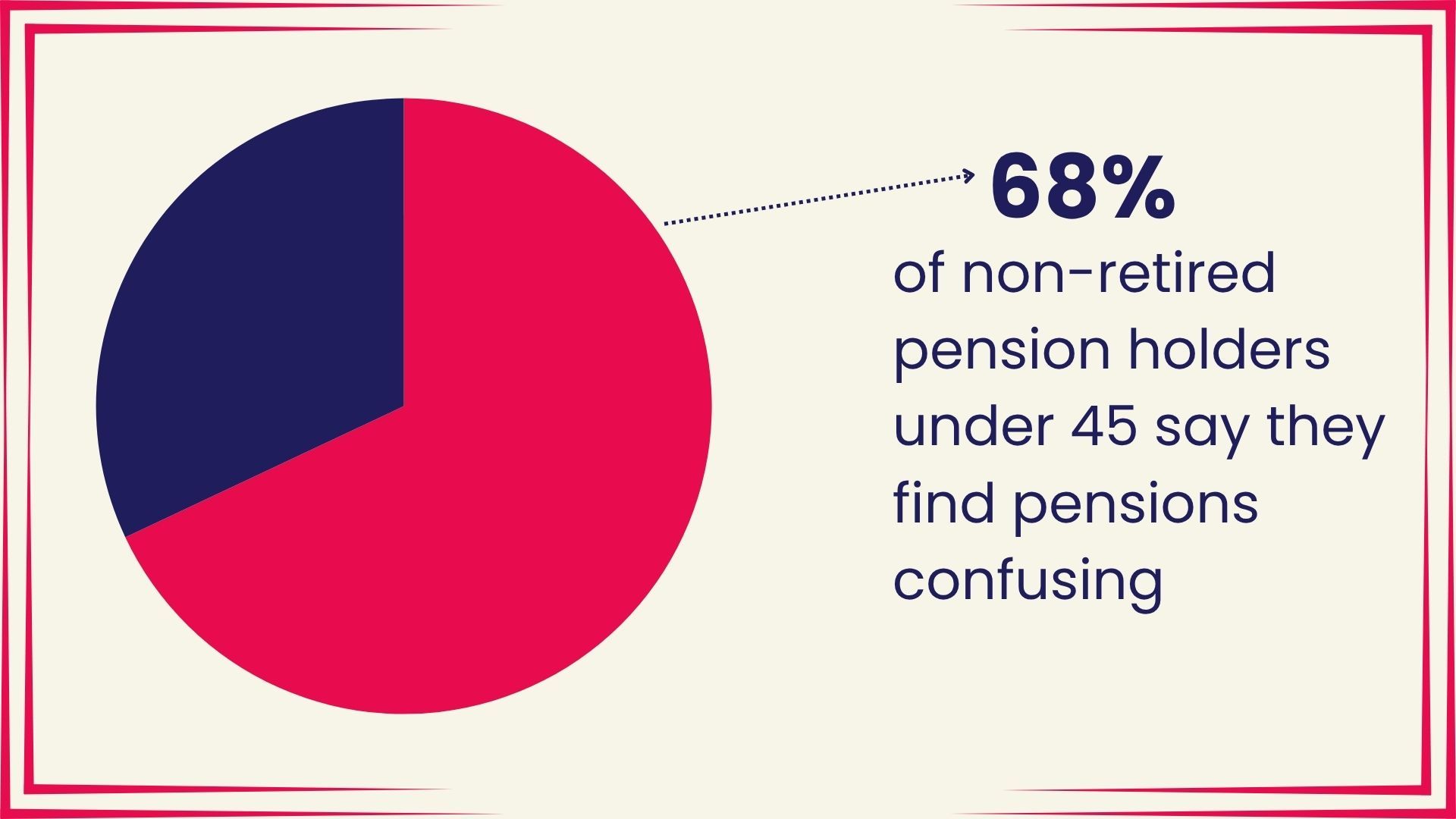
Around 7 in 10 (68%) non-retired pension holders under the age of 45 told us they find pensions "confusing", showing the extent to which pensions are seen as complex and daunting products to those early on in their retirement saving journey. Older respondents recorded a slightly higher level of confidence, but just under 6 in 10 (58%) of non-retired over-55s still agreed that pensions confuse them.
Preparing for retirement is rarely as straightforward as we’d all like it to be. Sadly, the complexity of our pensions system exacerbates the issue, with changing policies, excessive jargon and insufficient government support leaving savers in the dark as they prepare for the future.
Peek at all things pension in our learning hub
2) Do most people feel confident about their retirement plan?
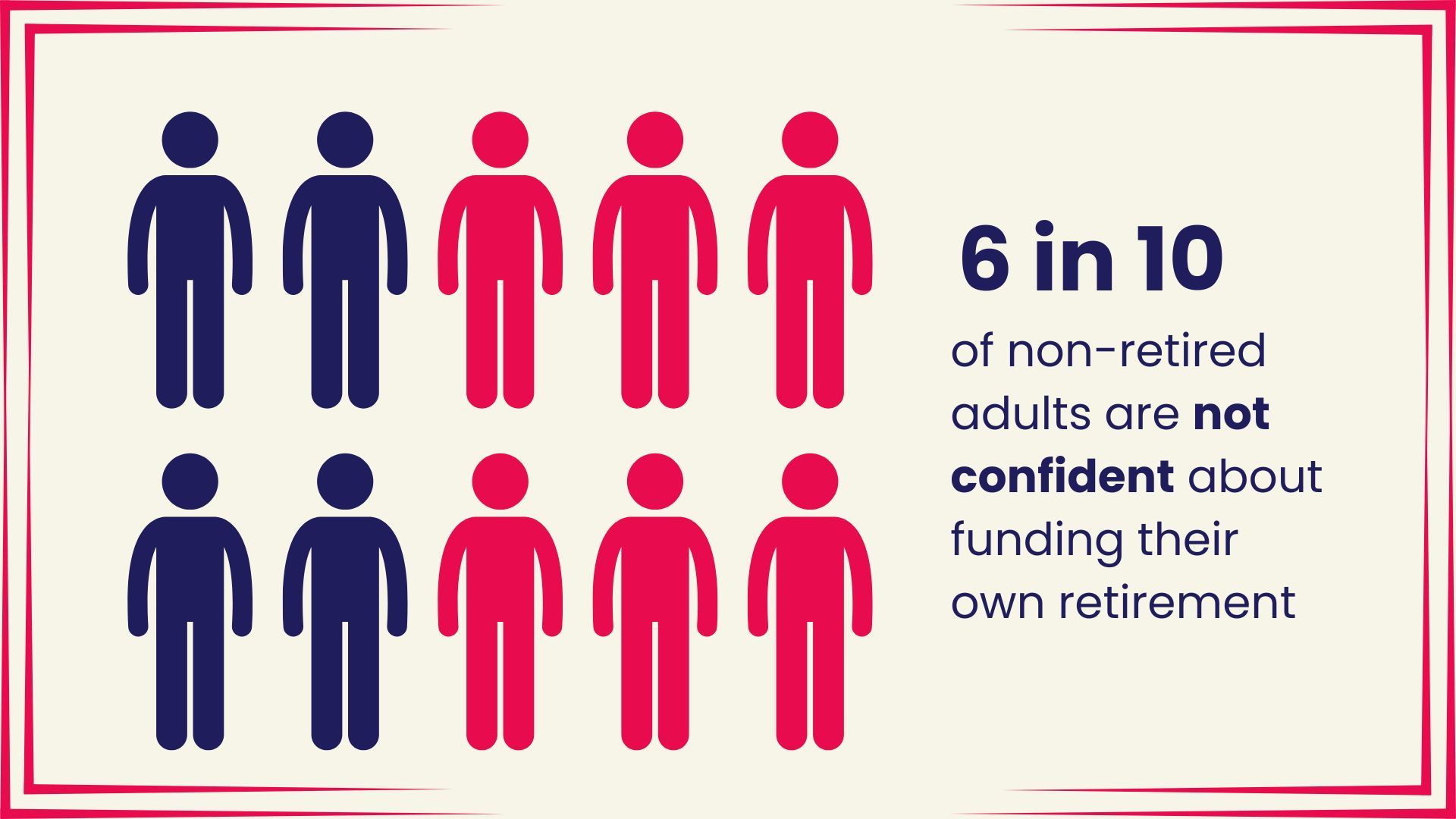
Roughly 6 in 10 non-retired pension holders (57%) are not confident about how they will fund their retirement. Confidence is lowest among 25-34 year olds, 3 in 4 of whom (75%) are unsure about their retirement plan, followed by 35-54 year olds, 7 in 10 of whom (68%) feel the same.
We looked at data from over four million workplace members and found that every industry in the UK has a significant gender pensions gap. This is a serious issue in itself, but it deepens when life expectancy is taken into consideration too. We’ve all heard about the gender pay gap, but very few discuss the gender pensions gap, despite the fact so many women experience it. This shows more needs to be done to boost engagement with pensions, particularly with those who feel less confident, and who may need help on where to start when it comes to making financial decisions.
How to Prepare for Retirement in the UK: 5 Expert Tips
3) Are self-employed workers less likely to have a pension?
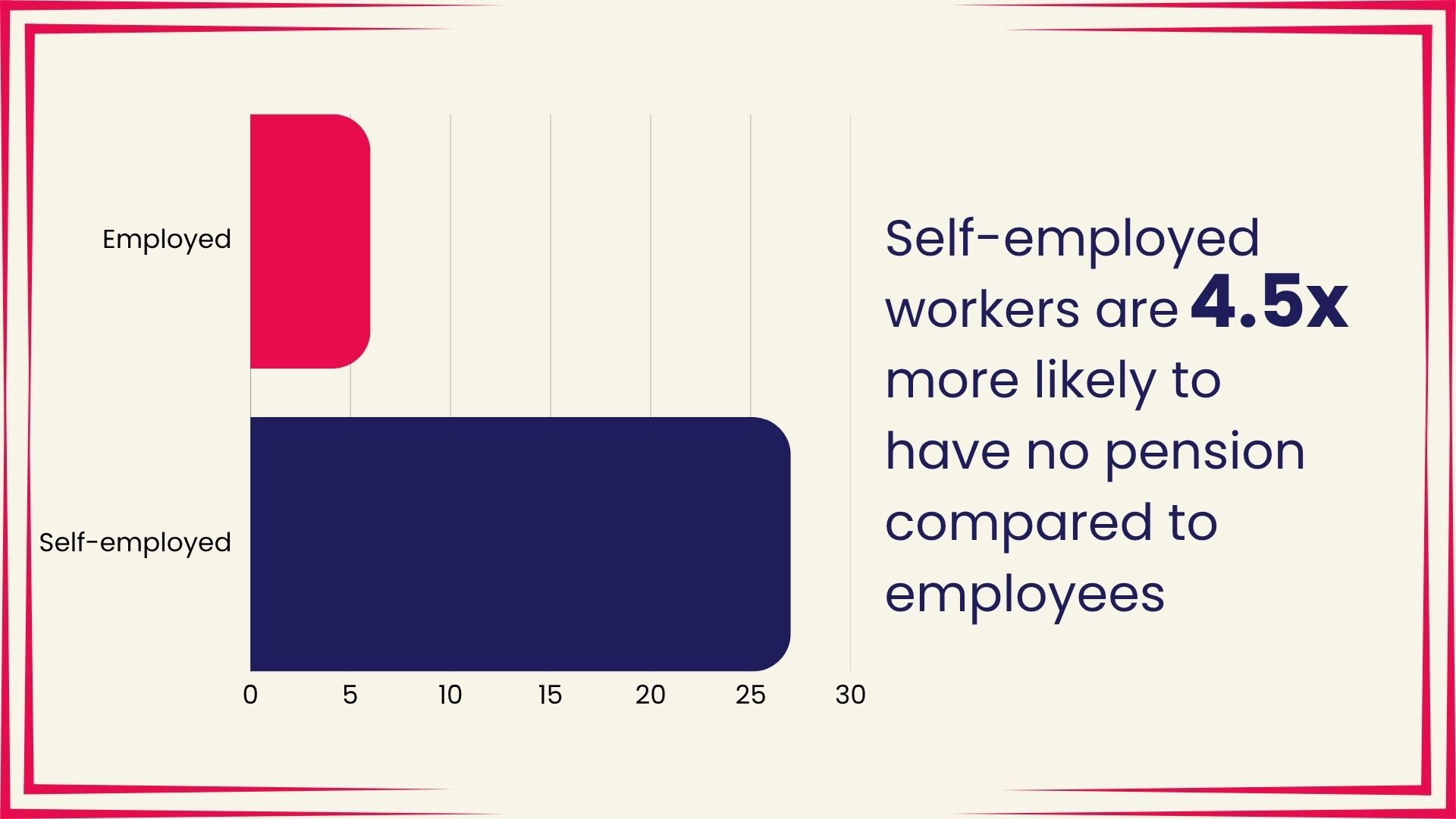
Around 13% of non-retired UK adults are currently self-employed. More than a quarter (27%) of these say they have no pension arrangements at all, compared to just 6% of employed adults. This means those who are self-employed are 4.5 times more likely to have no pension coverage.
Successive governments have put great effort into establishing automatic enrolment for employees to make it easier for them to save for retirement and have done so with much success. In contrast, the self-employed are left to their own devices. People who spend a long time in self-employment are all too often on course to be reliant on their state pension, some modest other savings, and potentially a partner’s pension or an inheritance to provide for them in retirement.
3 must-know money tips for the self-employed
4)How much is the average workplace pension pot worth?
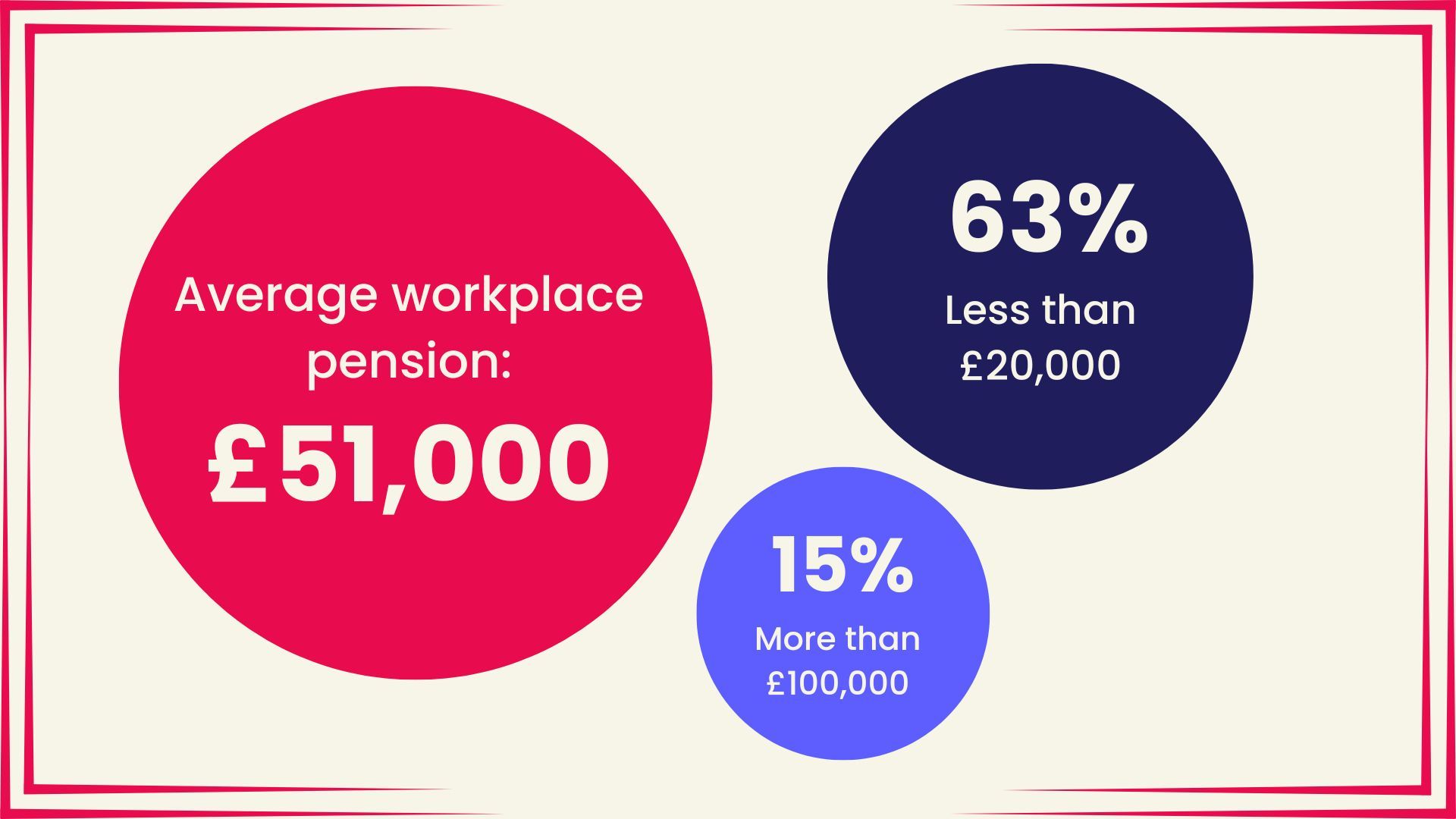
The average workplace pension holder has £51,000 saved in their pot. However, 63% have less than £20,000, and only a minority of 15% have more than £100,000. Unsurprisingly, the average increases with age, with the average 25-34 year old having £28,000 in their workplace pension, compared to £151,000 for the average over-55.
The days of defined benefits pensions are gone for most people and employees have to take an interest in and control of their pension planning. The first step in addressing the pension gap is knowledge and confidence. The more we continue to encourage employees to engage with their pensions early, the more people will enjoy the retirement they are striving for.
What you need to know about Workplace Pensions
5) Are more people planning to get financial advice for retirement?
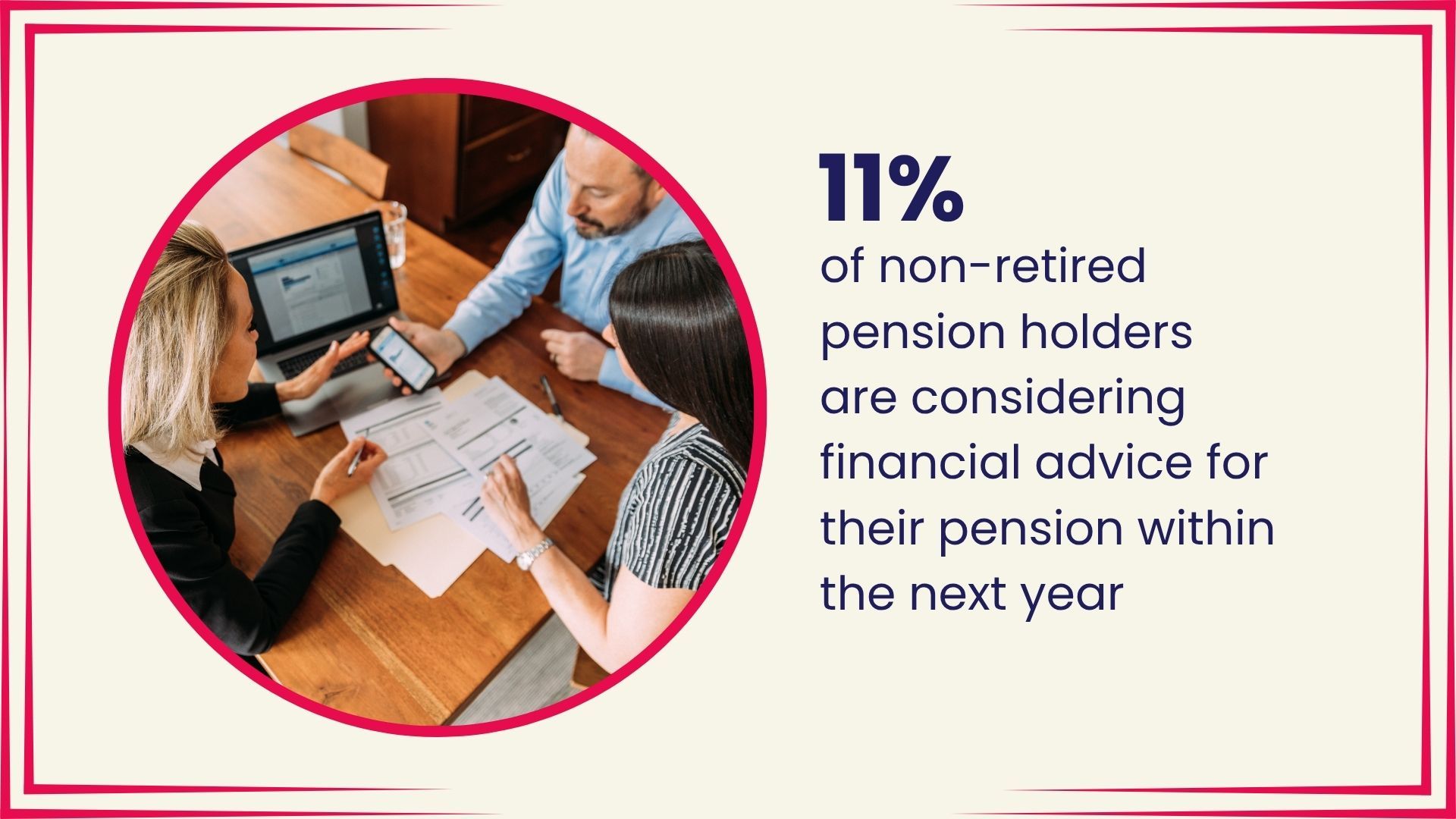
When it comes to future intentions, 11% of non-retired pension holders say they are considering seeking financial advice on their pension and/or retirement plan within the next 12 months, rising to 15% among those aged 55 and over - the age group where intent to seek advice peaks.
We know that people struggle with pensions and retirement, literally stumbling around in the dark. As a rule of thumb, anyone with assets of more than £100,000 who is approaching retirement (within 10 years) and isn’t very clued up on all things tax, investments and pensions should at least investigate financial advice, in my opinion. Even if it’s only a one-off ‘MOT’.





Post a comment:
This is an open discussion and does not represent the views of Boring Money. We want our communities to be welcoming and helpful. Spam, personal attacks and offensive language will not be tolerated. Posts may be deleted and repeat offenders blocked at our discretion.
Your opinion matters
Be the first to comment.